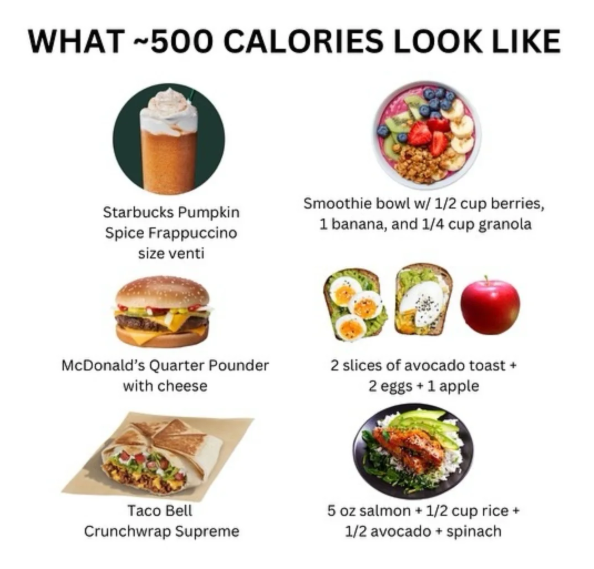
We need to get an idea of how our body uses energy and how much food that equates to on a daily (better yet, weekly) basis. A building block for a sustainable weight loss program involves the necessary step of understanding our TDEE. Total Daily Energy Expenditure. Simply put, TDEE is the amount of energy (calories) our body uses on a daily basis: exercise, performing daily tasks, digesting food and simply your body existing all use energy, the total volume of calories used throughout the day is what’s called "maintenance". We NEED to know our maintenance calories if we expect to lose weight consistently over time. Next we need to do some simple math: 3500 calories per pound of body fat, if we have 25 lbs to lose that means we need to consume 87,500 fewer calories than we expend over the next ‘X’ amount of weeks (months or years). It is recommended to not try to lose more than 2lbs per week as that leads to “yo-yo” lifestyle (putting the weight back on and then some). I shoot for 1-1.5lbs per week, as this indicates a 500-750 calorie daily deficit.
Click the “Free Resources- Weight Loss” tab up top to download a Free Calorie Tracker. Here is a link for a Free Calorie Calculator (TDEE)
Now, back to building in structure rather than a militant set of rules and restrictions you have to follow. Making attainable goals, ones that the current version of you today can realistically follow for a lifetime, will send you in the right direction, which is the first step in getting to your destination. This could be a protein target, this could be eating your vegetables, it could mean 2 cookies instead of the box. I used to be proud of throwing away leftover Oreos because it meant that I didn’t have round 2 the next day and finish off the box. Whole foods, foods that require the fewest steps possible to get to your table, tend to be the least appealing to overeat. If we focus on adding veggies the sheer volume of food in 150 calories of veggies fills us up as much as a 600 calorie dessert. There’s your daily deficit. Hydration also plays a key role in hunger and calorie management. Simply put, one of the first signs of dehydration is hunger. Your brain confuses the two, and before you feel “thirsty” you will feel hungry. Prioritize drinking a LOT of water. You’ll feel better, pee more, and eat less.
Another image below illustrates the difference between 200 calories of veggies vs junk food.